Loading...
Level Sensors for Industrial Tanks & Silos
Compare contact and non-contact level technologies for tanks and silos. Confirm the selected model's current range, accuracy, output, materials, test documents, and warranty in the controlled datasheet and quotation.
Content reviewed 2026-09-15
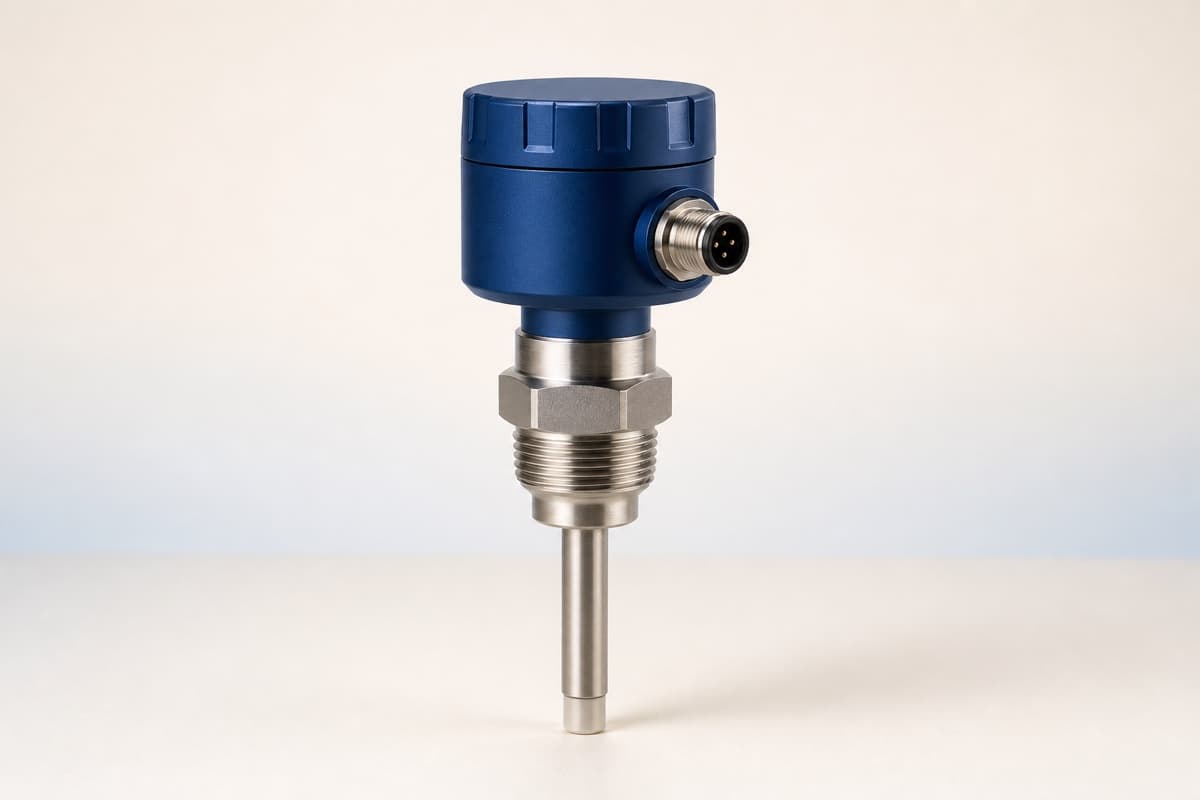
AM-CL100
Capacitive Level Sensor
Economical level measurement for oil, water, and chemical tanks
Range
0-6m
Accuracy
±1% FS
Output
4-20mA / RS485
Protection
IP65 / IP68
Request current quoteView Details
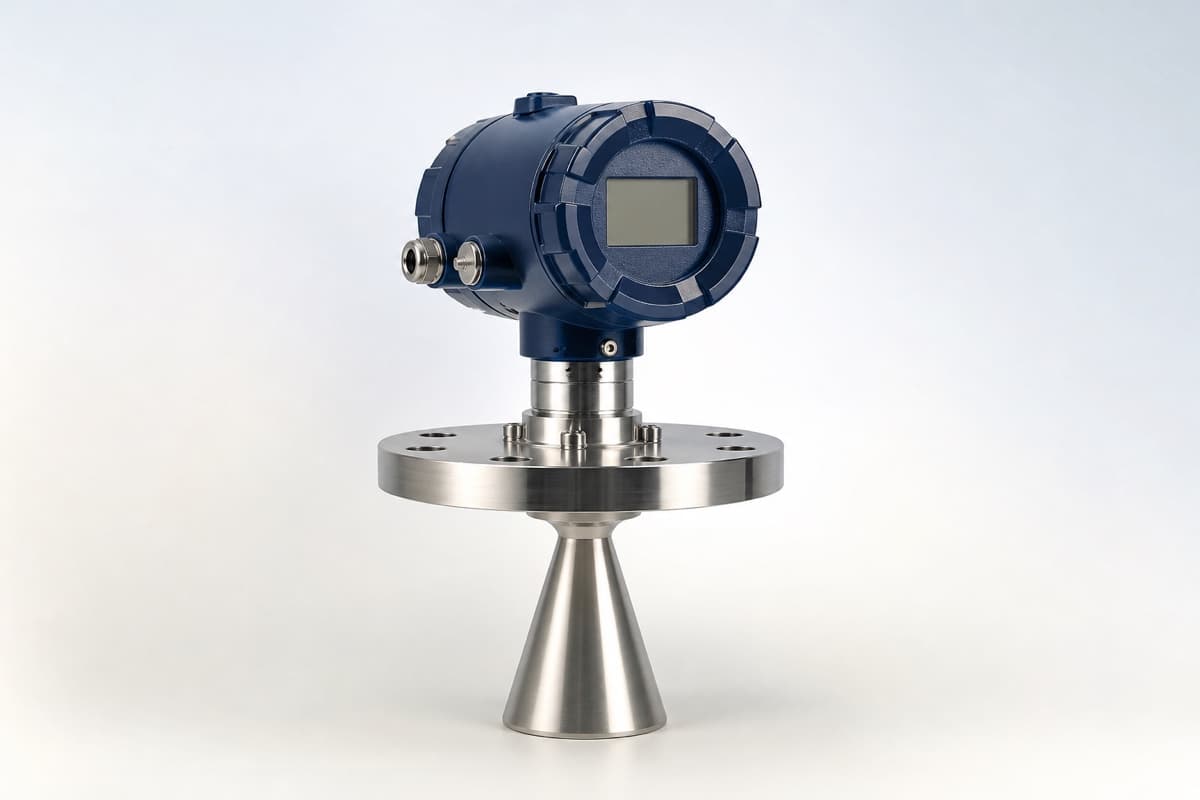
AM-RL80
80GHz FMCW Radar Level Transmitter
Non-contact radar measurement, ±2mm accuracy, 80m range
Frequency
80GHz FMCW
Accuracy
±2mm
Range
0-80m
Protection
IP67; project document scope to confirm
Request current quoteView Details
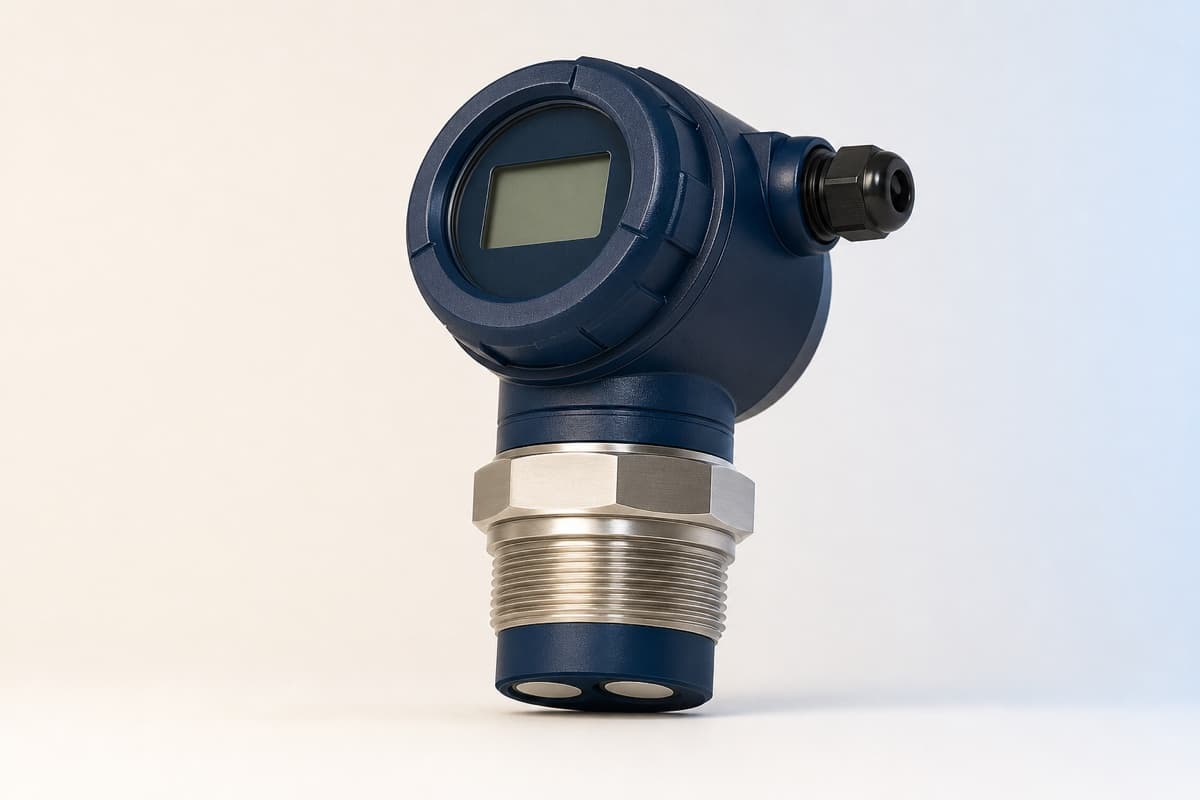
AM-UL20
Ultrasonic Level Sensor
Non-contact economical level sensing for water and chemicals
Range
0-20m
Accuracy
±1% FS
Output
4-20mA / RS485
Material
PVDF
Request current quoteView Details
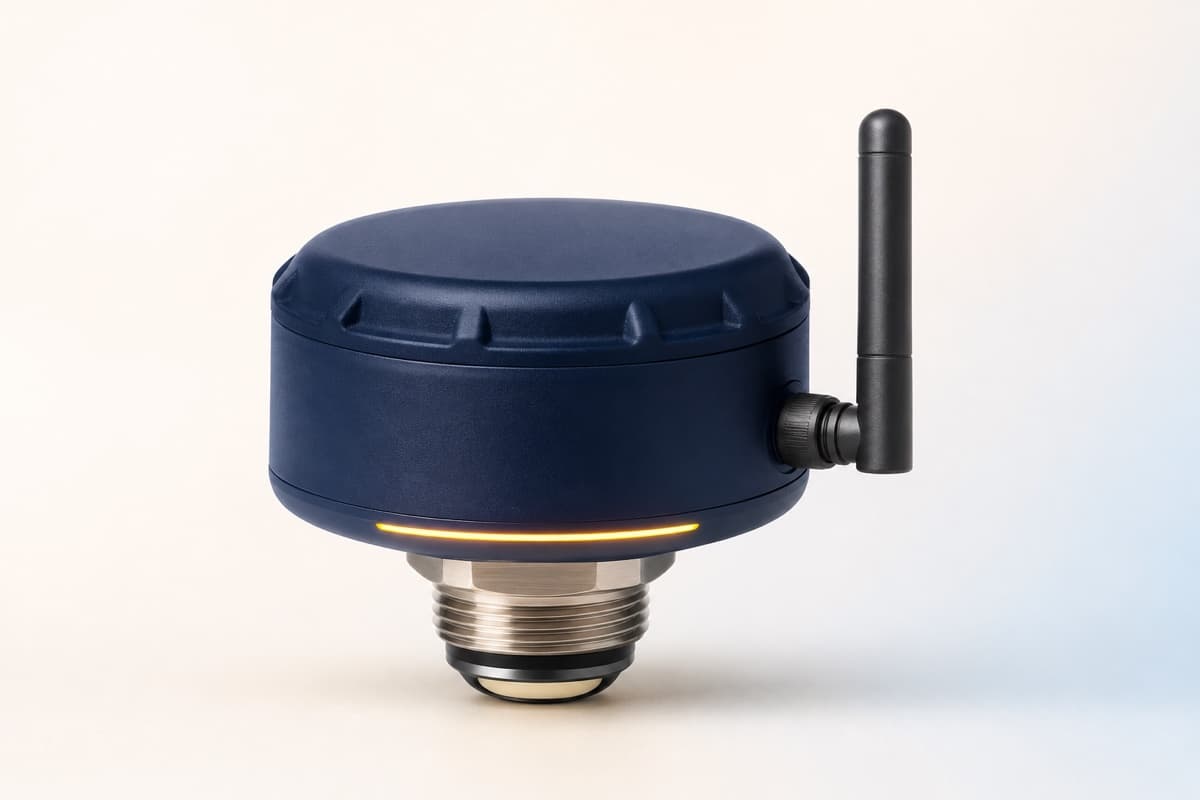
AM-WL50
IoT WiFi Smart Level Sensor
WiFi-connected smart level sensor. Install in 5 minutes, monitor from your phone.
Range
0-5m
Connectivity
WiFi 2.4GHz
Battery
6 months
App
iOS / Android / WeChat
Request current quoteView Details
How to narrow the choice
Use process conditions and installation constraints to narrow capacitive, radar, ultrasonic, or connected level sensing. Published card values are selection inputs, not a final project specification; engineering must confirm the model, configuration, document scope, and commercial terms for the RFQ.
Compare Technologies
Buyer Guides & Applications
Use these application and comparison guides to narrow the technology, installation, and specification before requesting a quotation.
Level Sensor RFQ Template
Collect medium, vessel, range, mounting, process, signal, document, quantity, and acceptance inputs before comparing quotations.
Read guideRadar Level Sensor for Oil Tanks
Check vapor, nozzle, tank geometry, output, and hazardous-area inputs for fuel and chemical storage.
Read guideRadar vs Ultrasonic Level Sensor
Compare range, vapor, dust, foam, accuracy, installation, and cost before selecting a technology.
Read guideHow to Choose a Radar Level Sensor
Work through frequency, process conditions, beam angle, mounting, output, and certification.
Read guide80GHz vs 26GHz Radar
Understand where frequency, beam angle, range, and process conditions affect performance.
Read guideChoosing a Level Sensor Supplier in China
Review factory, calibration, documentation, engineering support, samples, and export checks.
Read guideNeed a different measurement duty? Browse all industrial measurement application guides before requesting a quotation.
Level Sensors Selection Guide
Use these checks before sending an RFQ. They help our engineers confirm the right model, output, material, and certification for your project.
Match technology to media
Consider radar for difficult vapor, dust, foam, or tall-silo conditions; ultrasonic for appropriate clean-liquid tanks; and capacitive probes where the medium and vessel support contact sensing.
Confirm tank geometry
Send tank height, nozzle size, mounting location, internal structures, and dead-zone constraints so the beam angle and range are correct.
Specify output and approval
Confirm the required signal or protocol and list any market or hazardous-area documentation. Verify the exact certificate holder, model scope, marking, and validity before ordering.
Need help choosing the right level sensors?
Share your application, medium, and commercial constraints. We will review the fit of the published options and the information still needed for a quotation.