Loading...
Level Measurement Selection
Radar vs Ultrasonic Level Sensor — Buyer Selection Guide
Compare 80GHz radar and ultrasonic level sensors for tanks and silos. Accuracy, vapor, dust, price, and when to choose AM-RL80 vs AM-UL20.
The Buyer Problem
Buyers often shortlist both radar and ultrasonic. Wrong choice causes false echoes, vapor errors, or unnecessary cost.
Recommended Approach
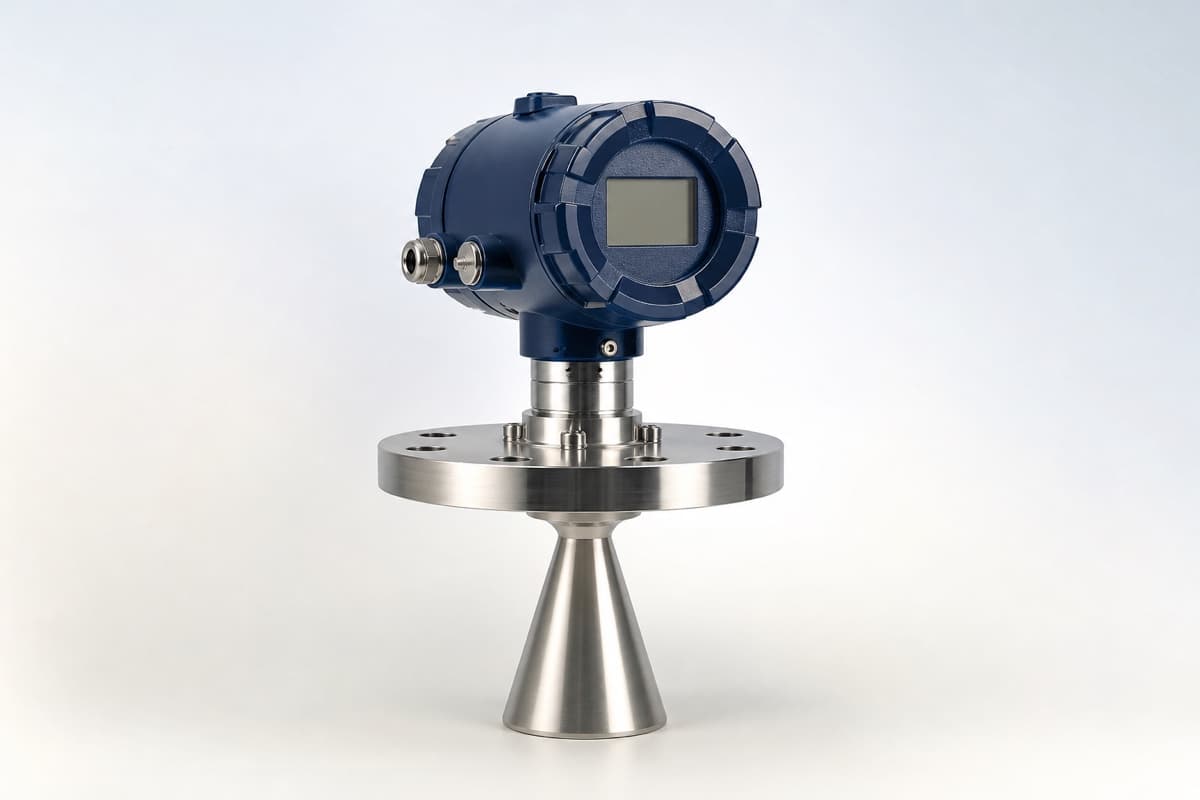
Evaluate ultrasonic for clean liquids and open applications with suitable environmental conditions. Evaluate 80GHz radar when vapor, dust, foam, range, beam geometry, or hazardous-area requirements change the measurement task.
What to verify before selection
Published summaries do not replace the current datasheet, quotation, or model-specific compliance documents.
- Compare the medium, vapor, dust, foam, condensation, temperature, and pressure conditions
- Review range, blind zone, accuracy, beam path, nozzle, and tank-internal constraints
- Confirm whether hazardous-area documentation is required for the exact installation
- Compare current model datasheets and request an engineering review before ordering
RFQ Checklist
Send these details to request a project review, current model documentation, and quotation.
Medium and vapor/dust conditions
Required accuracy and measuring range
Budget vs lifecycle cost
Hazardous area needs
Mounting nozzle size
Recommended Products
FAQ
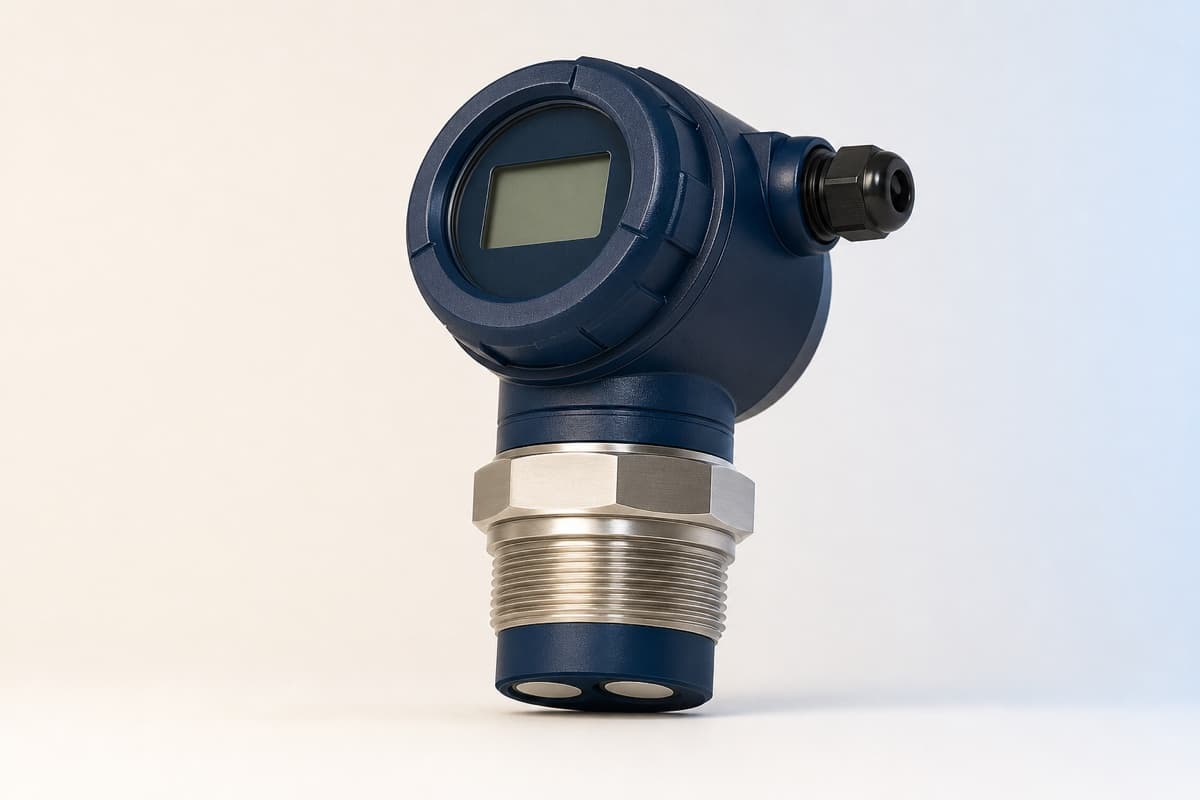
Ultrasonic is commonly evaluated for clean liquids and open applications without heavy vapor, foam, dust, or difficult mounting geometry. Confirm range and environmental limits for the exact model.