Loading...
Water & Wastewater
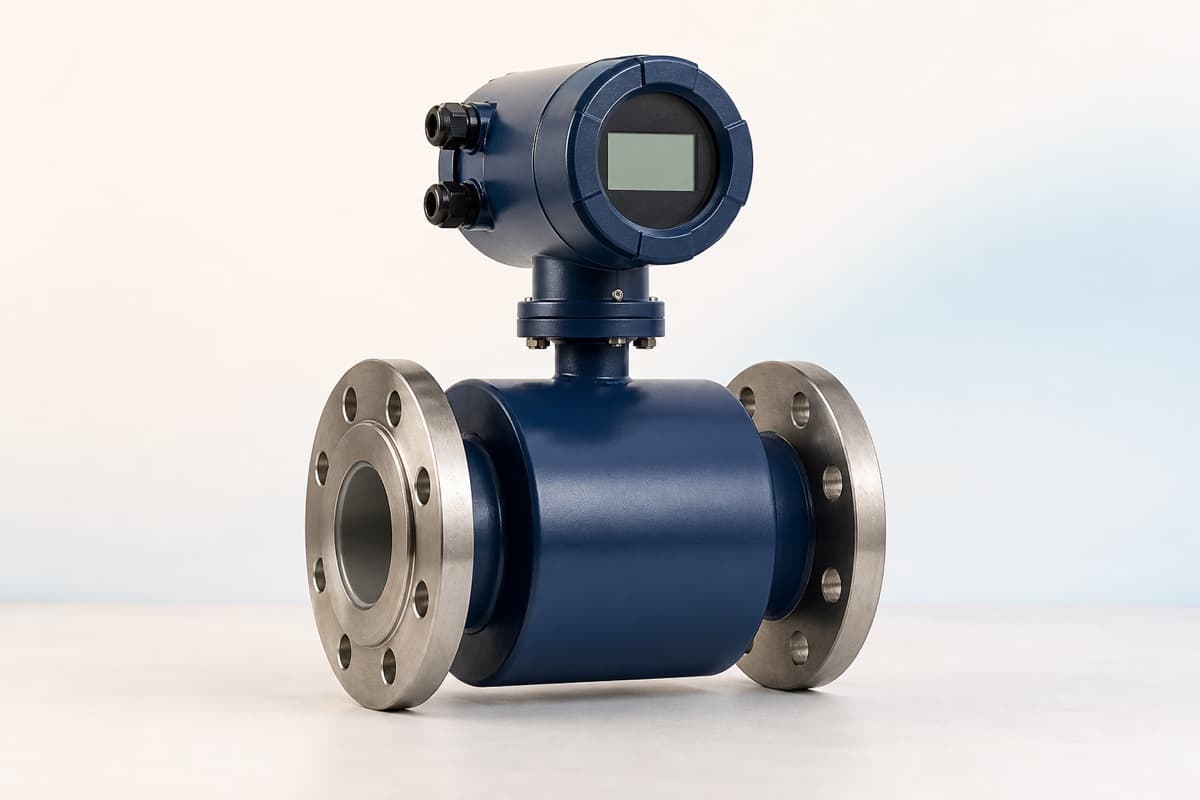
Electromagnetic Flow Meter for Water & Wastewater Treatment
A selection guide for evaluating AM-EMF100 electromagnetic flow meters in municipal water and industrial wastewater applications.
The Buyer Problem
Utilities and EPCs need to match the meter to liquid conductivity, pipe conditions, lining compatibility, installation space, accuracy requirements, and the plant control system.
Recommended Approach
Evaluate the AM-EMF100 only after confirming the liquid is conductive and documenting pipe size, flange standard, liner compatibility, grounding, straight-run conditions, power, and output requirements.
What to verify before selection
Published summaries do not replace the current datasheet, quotation, or model-specific compliance documents.
- Confirm the liquid conductivity and chemical compatibility before selecting electromagnetic technology
- Match pipe size, pressure class, flange standard, liner, and electrode material to the project
- Review grounding, straight-run, full-pipe, and installation requirements with engineering
- Confirm accuracy and output requirements in the current quoted model datasheet
- Request the calibration and inspection documents required by the project before ordering
RFQ Checklist
Send these details to request a project review, current model documentation, and quotation.
Pipe diameter (DN) and flange standard
Medium conductivity and temperature
Liner material preference
Power supply and output (pulse / 4-20mA / RS485)
Required accuracy and grounding conditions
Recommended Products
FAQ
Electromagnetic meters require a conductive liquid. Water and many wastewater streams can be candidates, while oils and other low-conductivity media generally require another technology. Confirm actual conductivity and compatibility before selection.